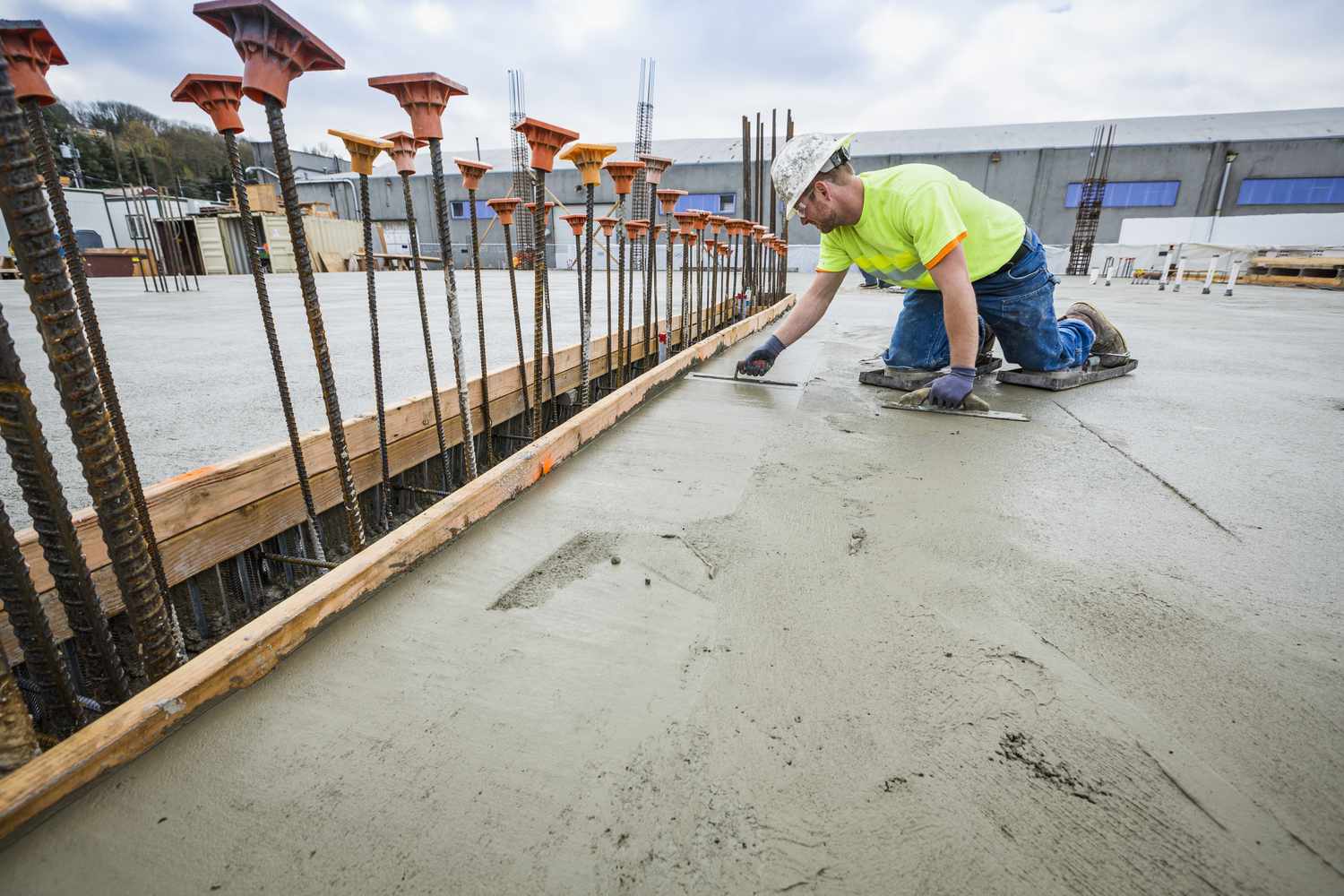
Cement for Construction: Importance of Curing and How to Do It
Selecting the right cement for construction is the fundamental first step of any building project. However, the performance of even the best cement for construction depends entirely on the care it receives after it is poured. Curing is the most vital phase of the process. It is the period where the cement for construction gains its intended strength and durability. Without maintaining proper moisture, your construction cement will fail to reach its full potential, leading to avoidable structural issues.
The Role of Construction Cement in Modern Building
In today’s architecture, construction cement acts as the essential binder that holds a structure together. Whether you are laying a simple residential walkway or raising a large commercial complex, using the best cement for construction is a non-negotiable requirement. However, the true quality of that construction cement is realized only through a specific chemical reaction.
It is a common misconception that cement for construction simply “dries out” to become hard. In reality, it undergoes a process known as hydration. When water is mixed with the powder, it triggers a chemical bond that locks aggregates into a solid mass. If water evaporates from the cement for construction too quickly, this reaction stops prematurely. This results in weak spots and essentially wastes the investment made in high-quality construction cement.
What is Cement Curing and Why Does it Matter?
Curing involves keeping the concrete moist and at a stable temperature while it hardens. This deliberate care allows the cement for construction to develop its best physical properties. Proper curing for cement for construction provides three primary benefits:
- Maximum Strength: Cured construction cement can support significantly more weight than cement that was left to dry naturally.
- Long-term Safety: It seals the surface, preventing water from soaking into the cement for construction and causing internal decay.
- Crack Prevention: It stops the construction cement from shrinking too fast, which is the leading cause of unsightly surface cracks.
Consequences of Poor Curing Practices
If the curing stage is neglected, the resulting damage is often permanent. Even if you purchase the best cement for construction, poor curing causes the surface to flake, peel, or turn into dust. These surface issues indicate that the cement for construction is brittle on the inside. This can make a structure unsafe and greatly shorten the life of your construction cement. To avoid these risks, one must treat the cement for construction with professional care.
How to Properly Cure Cement for Construction
To get the most out of your construction cement, the curing method should be chosen based on the specific needs of the project and the environment.
1. Water Spraying and Ponding
For flat surfaces like driveways or floors, ponding is highly effective for cement for construction. This involves building small dikes around the edges and filling the area with a shallow pool of water. For vertical walls, spraying a fine mist of water ensures the cement for construction stays hydrated. This remains one of the most reliable ways to help construction cement stay durable.
2. Wet Covering with Hessian or Burlap
Using moisture-retaining cloths is a classic and effective way to treat construction cement. By covering the cement for construction with wet burlap, you maintain a steady supply of moisture across the surface. It is important to keep these cloths damp throughout the process so they do not accidentally pull moisture out of the cement for construction.
3. Curing Compounds and Membranes
In dry or windy climates, you may use curing compounds for cement for construction. These are specialized liquids sprayed onto the surface to trap water inside. Professionals often use this method with the best cement for construction on large-scale projects, such as highways, where manual watering of the construction cement is not practical.
Tips for Selecting the Best Cement for Construction Projects
Choosing the best cement for construction depends largely on the local environment. Factors like extreme heat, wind, or high humidity should influence which construction cement you select. Always ensure your cement for construction meets industry standards and has been stored in a dry, protected place before use. Starting with the right construction cement is the only way to ensure a professional, lasting result.
Conclusion
A sturdy building begins with quality materials, but it stays standing because of proper curing. While finding the best cement for construction is a necessary first step, keeping the mixture moist is what allows the construction cement to reach its full load-bearing power. By following these standard curing steps, you can prevent cracks and ensure that your cement for construction provides a solid foundation for decades to come.
Keep an eye for more latest news & updates on Knowledgearrow!