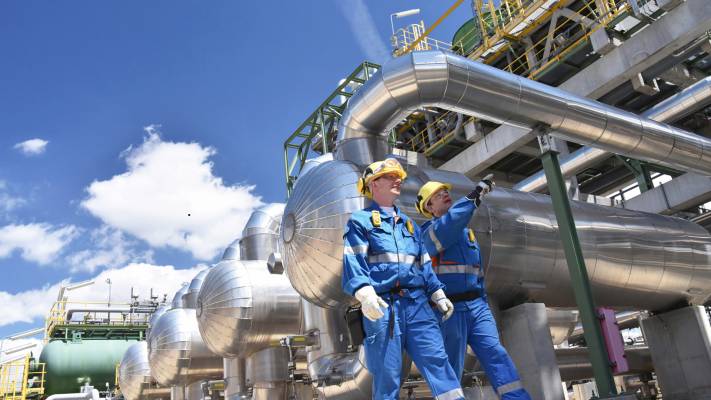
Exploring the Role of Industrial Pumps in Enhancing Oil and Gas Operations
Industrial pumps play a crucial role across the entire oil and gas value chain, ensuring the smooth transfer and management of fluids from extraction to refining and transportation. From the moment crude oil is extracted from the ground to the final refining process, pumps are essential in moving liquids and gases efficiently and safely.
The challenges faced by oil and gas industry pumps are numerous and complex. These pumps must withstand corrosion, abrasion, and the extreme pressures and temperatures inherent to the environment. The ability of pumps to operate effectively in such harsh conditions is what makes them indispensable to the success of the industry.
In this blog, we will explore the different roles industrial pumps play in oil and gas operations, the various types of pumps used, and how technological advancements are driving improved performance in this sector.
Industrial Pumps Across Oil and Gas Operations
Industrial pumps are used at every stage of the oil and gas industry, from the extraction of crude oil to the transportation and refining of petroleum products. Let’s take a look at how these pumps are applied across the upstream, midstream, and downstream sectors.
Upstream Applications
In the upstream sector, which focuses on exploration and production, industrial pumps handle a variety of tasks, including:
- Fluid Injection: Pumps are used to inject water or mud to assist in drilling operations.
- Crude Extraction: Pumps are crucial in transferring crude oil from wells to storage tanks or transport systems.
- Multiphase Pumping: These pumps handle the simultaneous flow of liquids, gases, and solids, a common challenge in oil and gas fields.
Midstream Applications
In midstream operations, which include transportation and storage, pumps are used for:
- Pipeline Boosting: Pumps are used to ensure the smooth and continuous flow of crude oil and natural gas through pipelines over long distances.
- Crude Oil Pumping: Pumping stations are responsible for transporting crude oil to refineries and storage facilities.
- Gas Condensate Transfer: Pumps are vital for transporting the condensates extracted from natural gas to the relevant facilities for further processing.
Downstream Applications
In the downstream sector, which involves refining and chemical processing, pumps are used in:
- Refining Processes: Pumps are used to transfer fluids between different refining units, such as distillation columns, catalytic reactors, and heat exchangers.
- Chemical Dosing: Industrial pumps are used to inject chemicals into the refining process to aid in separation, purification, and other treatment steps.
- Cooling and Wastewater Management: Pumps also play a role in cooling systems and wastewater treatment in the refining process.
Types of Industrial Pumps Used in Oil and Gas
There are various types of pumps used across the oil and gas industry, each designed to handle specific tasks and fluid properties. Let’s explore the key types of pumps that are crucial in oil and gas operations.
Centrifugal Pumps
- The most commonly used pump type in the oil and gas industry, centrifugal pumps are used for transporting fluids like crude oil, water injection, cooling fluids, and chemicals.
- These pumps are known for their ability to handle large volumes of fluid with high efficiency, making them ideal for applications requiring continuous flow over long distances.
Positive Displacement Pumps
- Positive displacement pumps are ideal for handling high-viscosity fluids, such as those found in chemical injection applications, where precise flow control is necessary.
- These pumps are also used for slurry handling and transferring thick, non-Newtonian fluids, which are common in upstream operations.
Diaphragm Pumps
- Diaphragm pumps are often used in applications where corrosive, slurry, or chemical dosing fluids need to be transported safely.
- Their ability to handle aggressive chemicals and maintain high flow rates with precision makes them ideal for use in refineries and chemical processing facilities.
Specialized Pumps
- Booster Pumps: Used to increase the pressure of fluid flow, particularly in pipeline operations.
- Petrochemical Pumps: These pumps are designed specifically for handling petrochemical products with high precision.
- Jet Pumps: Commonly used for offshore platforms, jet pumps help with the lifting of fluids in challenging environments.
- Multiphase Pumps: These pumps are used in upstream operations to handle mixtures of gas, liquid, and solids simultaneously.
Enhancing Operational Efficiency Through Pumps
In the oil and gas industry, operational efficiency is key to maintaining profitability and reducing environmental impact. Pumps play an essential role in improving efficiency, reducing downtime, and ensuring that fluid handling processes are smooth and uninterrupted.
- Hydraulic Efficiency and Pump Selection
Choosing the right pump for the fluid properties and operational needs of the plant is essential. Hydraulic efficiency plays a significant role in reducing energy consumption and maximising the pump’s effectiveness in moving fluids.
- Energy-Efficient Designs
With increasing pressure to reduce carbon footprints, energy-efficient pumps are becoming more popular in the oil and gas sector. By investing in pumps that consume less power, operators can significantly reduce lifecycle costs while maintaining high performance.
- Corrosion-Resistant Materials for Durability
To tackle the challenges posed by the corrosive fluids handled in oil and gas operations, corrosion-resistant materials like stainless steel, super duplex alloys, and fluoropolymers are often used in pump construction. These materials ensure that the pumps last longer, even in harsh environments, and reduce the need for frequent replacements.
- Modular Designs for Easy Maintenance
Modular pumps with replaceable parts allow for quick servicing and easy maintenance, minimising downtime. This design approach helps ensure that pumps remain operational for longer periods with minimal disruption to the workflow.
Technological Advancements Driving Pump Performance
The oil and gas industry is embracing digital transformation, and pumps are no exception. Recent innovations have brought about significant improvements in pump performance, monitoring, and predictive maintenance.
- Integration of Smart Pump Technologies
With the integration of digital monitoring systems, pumps now provide real-time performance data that can be accessed remotely. This allows operators to track pump health, optimise performance, and detect issues before they lead to failures.
- Advanced Materials for Better Performance
The use of advanced materials like exotic alloys, composites, and fluoropolymers in pump construction ensures better corrosion resistance and durability. These materials also enhance the overall efficiency of the pump, allowing it to perform in harsh environments.
- Custom Hydraulic Designs
Custom hydraulic designs help optimise the flow and reduce pulsation and vibration, ensuring that pumps operate smoothly and efficiently. These innovations are particularly useful in applications involving high-viscosity fluids, which require a more precise approach.
- Automation and AI for Operational Optimization
AI and automation have found their way into the oil and gas pumping industry, providing greater control and efficiency in operations. By automating routine processes and using AI to optimise performance, oil and gas operators can improve both safety and efficiency, while also reducing operational costs.
Safety, Compliance, and Environmental Considerations
In the oil and gas industry, safety, compliance, and environmental responsibility are critical considerations. Pumps play a key role in maintaining high standards of safety and environmental protection.
Let’s look at the details.
- Compliance with Industry Standards
Chemitek’s pumps adhere to international standards such as API 610 and ANSI/ASME B73.1, ensuring they meet safety, performance, and quality benchmarks required for oil and gas operations.
- Leak-Free Designs to Reduce Environmental Risks
Chemitek’s pumps are designed with leak-free technologies that help reduce the risk of spills or leaks, preventing environmental contamination and ensuring compliance with environmental regulations.
- Role in Waste Handling and Produced Water Treatment
Pumps are essential in handling waste products and produced water from oil and gas extraction. Effective wastewater management and treatment processes are key to maintaining environmental sustainability in the industry, and pumps play a critical role in ensuring these processes are efficient and safe.
Conclusion
Industrial pumps are an indispensable part of the oil and gas industry, ensuring the efficient, safe, and reliable handling of fluids throughout the entire value chain. Chemitek has positioned itself as a leader in this sector by integrating innovative pump designs, premium materials, and cutting-edge technology to meet the industry’s demanding needs.
For operators seeking to optimise their oil and gas operations with reliable, high-performance pumps, Chemitek offers tailored solutions that ensure safety, operational efficiency, and long-term reliability.
Keep an eye for more latest news & updates on Knowledgearrow!