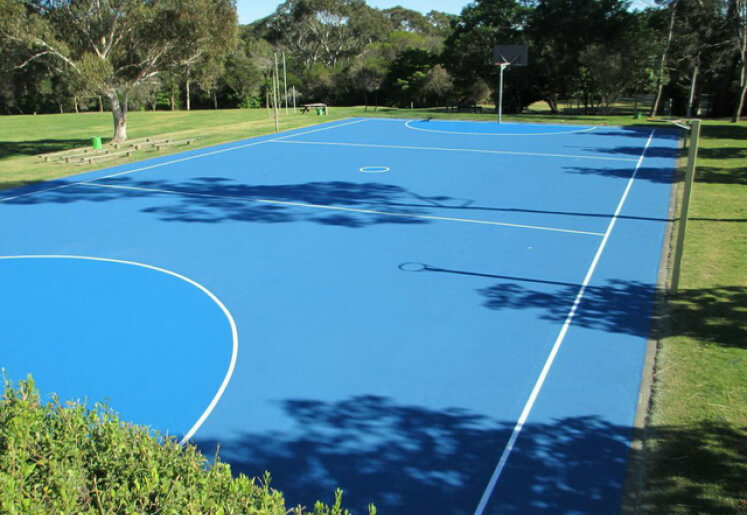
What Goes Into Designing a High-Performance Netball Court
Designing a netball court is not just about laying down a flat surface and painting some lines. A high-performance netball court plays a direct role in player safety, game quality, and long-term durability. Whether the court is for a school, club, or community facility, good design decisions can reduce injuries, improve play flow, and lower maintenance costs over time.
In this article, we will break down what actually goes into designing a high-performance netball court. From dimensions and surface choices to drainage, safety features, and long-term upkeep, you will get a clear picture of what matters and why.
Netball Court Basics
Before diving into advanced features, it is important to understand the basic structure of a netball court. These fundamentals form the foundation of every well-designed court.
Standard Dimensions and Layout
A standard netball court measures 30.5 metres long and 15.25 metres wide. The court is divided into three equal thirds, with a centre circle in the middle and goal circles at each end. These measurements are not flexible. Accurate sizing ensures fair gameplay and allows players to develop proper positioning and movement skills.
Incorrect dimensions can affect passing angles, shooting distance, and defensive spacing. That is why professional planning and precise measurement are critical at the design stage.
Importance of Line Markings
Line markings guide the entire flow of the game. They define where players can move, shoot, and defend. Lines must be clearly visible, evenly applied, and correctly positioned.
Poor line quality can confuse players and referees, especially in fast-paced matches. High-performance courts use durable, non-slip paint that remains visible even after heavy use and weather exposure.
Choosing the Right Surface
The playing surface is one of the most important design choices. It directly affects player comfort, grip, and injury risk.
Surface Options for Netball Courts
Several surface types are commonly used for netball courts:
- Acrylic-coated asphalt or concrete
- Cushioned acrylic systems
- Synthetic grass systems designed for netball
Each option has its own benefits. Acrylic surfaces are popular due to their durability, consistent bounce, and lower maintenance needs. Cushioned systems add shock absorption, which can be helpful for frequent play and junior athletes.
What Makes a Surface High-Performance
A high-performance surface must provide the right balance of grip and movement. Too much grip increases joint stress, while too little grip raises the risk of slipping.
Key performance factors include:
- Slip resistance in both dry and wet conditions
- Shock absorption to reduce impact on joints
- Even texture to support quick changes of direction
This is why working with experienced netball court builders such as Kangaroo Courts is important. Their expertise in surface systems and installation standards helps ensure the court performs well over many years.
Drainage and Subbase Preparation
Even the best surface will fail if the base underneath is poorly designed. Drainage and subbase preparation are often overlooked, but they are critical to long-term performance.
Why Drainage Is Crucial
Outdoor netball courts must handle rain efficiently. Poor drainage leads to puddles, surface softening, and early wear. Standing water also makes courts unsafe and unusable.
Proper drainage systems allow water to move away from the surface quickly. This keeps the court playable and prevents long-term damage to the surface layers.
Building a Stable Subbase
A strong subbase supports the entire court structure. Typically, this includes a compacted foundation topped with asphalt or concrete. The base must be level, stable, and correctly graded to support drainage.
Small mistakes at this stage can lead to cracks, uneven surfaces, and costly repairs later on.
Safety and Playability Features
High-performance netball courts are designed with player safety in mind. Small design details can make a big difference during fast, competitive play.
Run-Off Zones and Clear Space
Run-off zones are the clear areas around the court where players may move during play. Adequate space reduces the risk of collisions with fences, walls, or equipment.
A safe court layout includes enough clearance on all sides so players can slow down naturally without sudden stops or impacts.
Colour, Contrast, and Visual Clarity
Colour choice is not just about appearance. High contrast between the surface and line markings helps players see boundaries quickly and react faster.
Many high-performance courts use darker surface colours with bright white or yellow lines. This improves visibility in different lighting conditions and helps referees make accurate calls.
Installation and Professional Expertise
Designing a high-performance netball court requires more than good materials. Skilled installation ensures all elements work together properly.
Professional builders handle site assessment, surface selection, drainage planning, and precise line marking. Their experience helps avoid common mistakes that can affect safety and durability.
Choosing the right construction team often determines whether a court performs well for 5 years or 20 years.
Maintenance for Long-Term Performance
Even the best-designed court needs regular care to maintain its performance and appearance.
Routine Care Tips
Basic maintenance includes regular cleaning to remove dirt, leaves, and debris. Keeping the surface clean helps maintain grip and prevents surface wear.
Line markings should be checked periodically and refreshed when they begin to fade.
Weather-Related Maintenance
Outdoor courts are exposed to sun, rain, and temperature changes. Over time, this can cause minor cracks or surface wear.
Addressing small issues early, such as sealing cracks or resurfacing worn areas, prevents bigger and more expensive repairs later.
Conclusion
Designing a high-performance netball court involves careful planning, quality materials, and skilled installation. From accurate dimensions and surface selection to drainage, safety zones, and ongoing maintenance, every detail matters.
A well-designed court not only improves gameplay but also protects players and extends the life of the facility. By investing in proper design and working with experienced professionals, schools and clubs can create netball courts that perform consistently and safely for years to come.
Keep an eye for more latest news & updates on Knowledgearrow!