What to Look for When Buying Your Next Ford Vehicle
Buying a new or used vehicle is a significant decision—one that blends practicality, financial planning, and personal preference. When it comes to choosing a Ford, the process becomes even more nuanced, given the brand’s wide lineup of trucks, SUVs, and passenger vehicles. From performance and safety to dealership credibility and long-term ownership costs, several factors should shape your decision.
Whether you’re upgrading your daily commute or investing in a family-friendly SUV, understanding what to look for can help you make a confident and informed purchase. Reputable dealerships such as Johnson Bros Ford often emphasize transparency, customer education, and after-sales support—qualities that align with a smarter buying experience.
Understanding Your Driving Needs and Lifestyle
Before stepping into a showroom or browsing online listings, it’s essential to assess your specific needs. Not all vehicles are created equal, and what works for one driver may not suit another. Start by evaluating your daily routine. Are you commuting long distances, navigating urban streets, or frequently driving off-road?
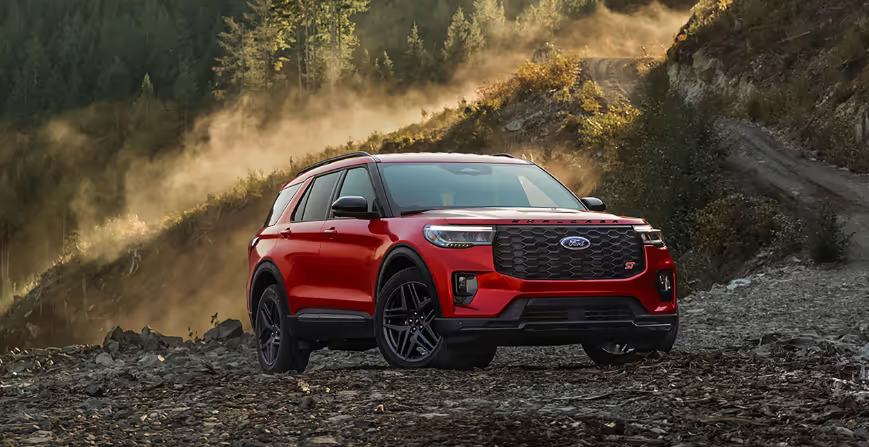
Ford offers a diverse range of vehicles tailored to different lifestyles. For instance, if you require towing capacity and rugged durability, a truck like the Ford F-150 may be ideal. On the other hand, compact SUVs such as the Ford Escape are better suited for city driving and fuel efficiency. Families may prioritize space and safety features, making models like the Ford Explorer a more suitable option.
Your lifestyle also influences features such as seating capacity, cargo space, and drivetrain options. By aligning your purchase with your daily habits, you ensure that your vehicle remains functional and relevant for years to come.
Evaluating Performance, Efficiency, and Technology
Performance is often a key consideration when buying a vehicle, and Ford vehicles are known for offering a balance between power and efficiency. However, performance is not just about horsepower. It includes engine options, fuel economy, transmission type, and overall driving experience.
Modern Ford vehicles come equipped with advanced engine technologies such as EcoBoost, which delivers strong performance while maintaining fuel efficiency. If fuel economy is a priority, reviewing EPA ratings and real-world driving feedback can provide valuable insights.
Technology is another critical aspect. Today’s vehicles are essentially mobile tech hubs, and Ford has made significant strides in this area. Features like infotainment systems, smartphone integration, navigation, and voice controls enhance both convenience and safety. Look for systems that are intuitive and regularly updated to ensure long-term usability.
Safety technology should not be overlooked. Driver-assist features such as lane-keeping assistance, adaptive cruise control, blind-spot monitoring, and automatic emergency braking contribute to a safer driving experience. These features are increasingly becoming standard, but their availability may vary by model and trim level.
Assessing Build Quality and Reliability
A vehicle is a long-term investment, so durability and reliability should be top priorities. Ford has a strong reputation for building robust vehicles, particularly in its truck segment. However, it’s still important to examine the build quality of any specific model you are considering.
Pay attention to materials used in the interior, the fit and finish of components, and overall craftsmanship. A well-built vehicle not only enhances comfort but also reduces the likelihood of wear and tear over time.
Reliability can be evaluated through owner reviews, industry reports, and warranty coverage. While no vehicle is entirely immune to issues, consistent positive feedback across multiple sources is a good indicator of dependability. Additionally, consider the availability of service centers and parts, as these factors can impact maintenance costs and convenience.
Considering Total Cost of Ownership
The purchase price is only one part of the equation. A truly informed buyer considers the total cost of ownership, which includes fuel expenses, insurance, maintenance, depreciation, and financing.
Fuel efficiency plays a significant role, especially if you drive frequently. Even small differences in miles per gallon can add up over time. Insurance costs vary depending on the model, safety features, and your driving history, so it’s wise to get quotes before making a decision.
Maintenance and repair costs should also be factored in. Some Ford models are known for their lower maintenance requirements, while others may require more frequent servicing. Reviewing service intervals and common repair issues can provide clarity.
Depreciation is another important consideration. Vehicles lose value over time, but some models retain their value better than others. Understanding resale value can help you make a smarter long-term investment.
Financing options, whether through a dealership or a financial institution, also impact affordability. Interest rates, loan terms, and down payment requirements should be carefully evaluated to ensure they align with your budget.
Choosing the Right Dealership Experience
The dealership you choose can significantly influence your overall buying experience. A trustworthy dealership provides more than just a vehicle—it offers guidance, transparency, and ongoing support.
Look for dealerships that prioritize customer satisfaction and have a track record of positive reviews. Clear communication, fair pricing, and knowledgeable staff are indicators of a reliable dealership. A good dealership will take the time to understand your needs, answer your questions, and provide detailed information about the vehicles they offer.
After-sales service is equally important. Regular maintenance, warranty support, and access to genuine parts contribute to a smoother ownership experience. Dealerships that offer service packages or extended warranties can provide additional peace of mind.
Transparency in pricing and documentation is another key factor. Avoid dealerships that rely on hidden fees or high-pressure sales tactics. A reputable dealership will provide a clear breakdown of costs and allow you to make decisions at your own pace.
The Importance of Test Driving and Research
No amount of research can replace the experience of actually driving a vehicle. A test drive allows you to evaluate comfort, handling, visibility, and overall driving dynamics. Pay attention to how the vehicle responds in different conditions, including acceleration, braking, and cornering.
Comfort is subjective, so take the time to adjust seating positions, test infotainment systems, and assess cabin noise levels. If possible, test drive multiple models to compare their features and performance.
Research should complement your test drive. Online reviews, expert opinions, and user feedback provide valuable perspectives that can highlight strengths and potential drawbacks. Combining firsthand experience with thorough research ensures a well-rounded decision-making process.
Summary
Buying your next Ford vehicle is more than just selecting a model—it’s about aligning your purchase with your needs, preferences, and long-term goals. By considering factors such as lifestyle compatibility, performance, technology, reliability, and total cost of ownership, you can approach the process with clarity and confidence.